
![newsR.jp[ニュースアール]](/img/logo_kana.svg)
![newsR.jp[ニュースアール]](/img/head_logo.svg "newsR.jp[ニュースアール]")
- ニュース一覧
- Fukushima’s Treasure: Kiyoshi Saitō / 福島の宝物 斎藤清(日進堂印刷所)- 2026.03.05(木) 09:00
Fukushima’s Treasure: Kiyoshi Saitō / 福島の宝物 斎藤清
日進堂印刷所
2026.03.05(木) 09:00
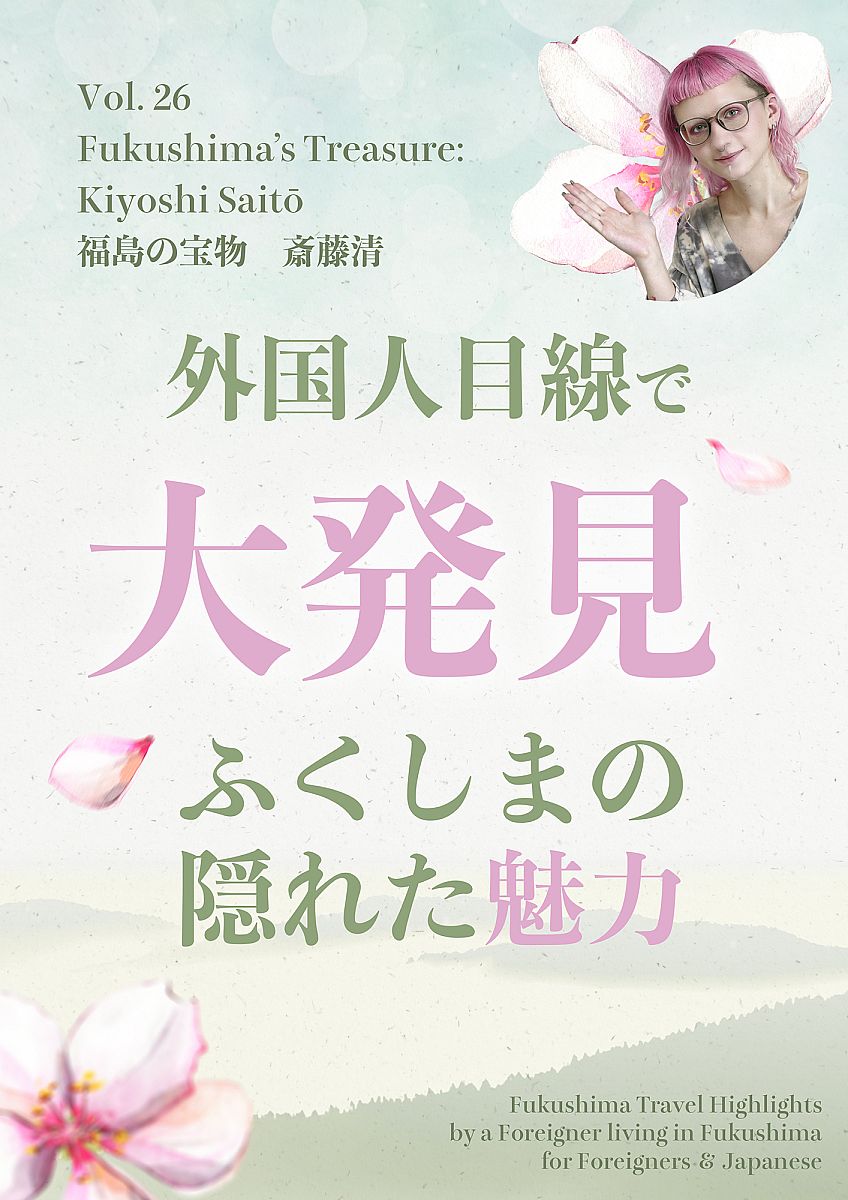
〜Reference Information〜
Kiyoshi Saitō (1907–1997) was born in Aizubange Town. A printmaker known for depicting the landscapes of the Aizu region in Fukushima, he often portrayed snowy winter scenes. After spending time in Hokkaido, Tokyo, and Kamakura, he returned to Fukushima in his later years and continued creating here. Rooted in traditional Japanese woodblock printing techniques, his work simplifies shapes and is known for its quiet, warm atmosphere.
〜参考情報〜
斎藤清(さいとうきよし)(1907–1997)会津坂下町生まれ。福島県会津地方の風景、特に雪のある冬の景色を多く描いた版画家。北海道、東京、鎌倉を経て、晩年は再び福島で制作を継続。日本の伝統的な木版画技法を基礎としながら、形をシンプルにまとめ、静かであたたかみのある表現が特徴。
【Introduction / はじめに】
I’ve loved art since I was a child. I enjoy both drawing and looking at paintings. At school I joined an art club, and when we had school trips, I was the type who wanted to visit an art museum rather than a museum of history or a factory tour. One experience that stayed with me was seeing Impressionist paintings in person at the Hermitage Museum in Saint Petersburg, Russia. Standing in front of those works left a deep impression on me.
Still, until I came to Fukushima, I didn’t know about Kiyoshi Saitō. The first time I came here, there was an exhibition of his work at the Fukushima Prefectural Museum of Art. I went there casually, without much expectation – and it was love at first sight. Eight years have passed since then, but he is still my favorite artist.
私は子どもの頃から絵が好きでした。絵を描くのも、見るのも好きです。放課後は絵画のサークルに入り、学校の見学でも博物館や企業見学より、美術館に行きたいと思うタイプでした。特に心に残っているのは、ロシア・サンクトペテルブルクのエルミタージュ美術館で、印象派の作品を実際に目の前で見たときです。
福島に来るまでは斎藤清という画家を知りませんでした。初めて福島に来た時、福島県立美術館で斎藤清の作品展が行われていました。軽い気持ちで足を運んだのが最初の出会いで、一目惚れしました。それから8年が経った今も、「一番好きな画家」という気持ちは変わっていません。
I’ve often wondered why “Saitō’s world” and atmosphere in his art move me so deeply. Maybe it’s his careful yet direct use of black — something I rarely saw in Europe — and the strong contrasts. Maybe it’s the not-too-polished lines that are somehow still fully in harmony. Maybe it’s the quiet, peaceful landscapes themselves. In any case, I love all of his series.
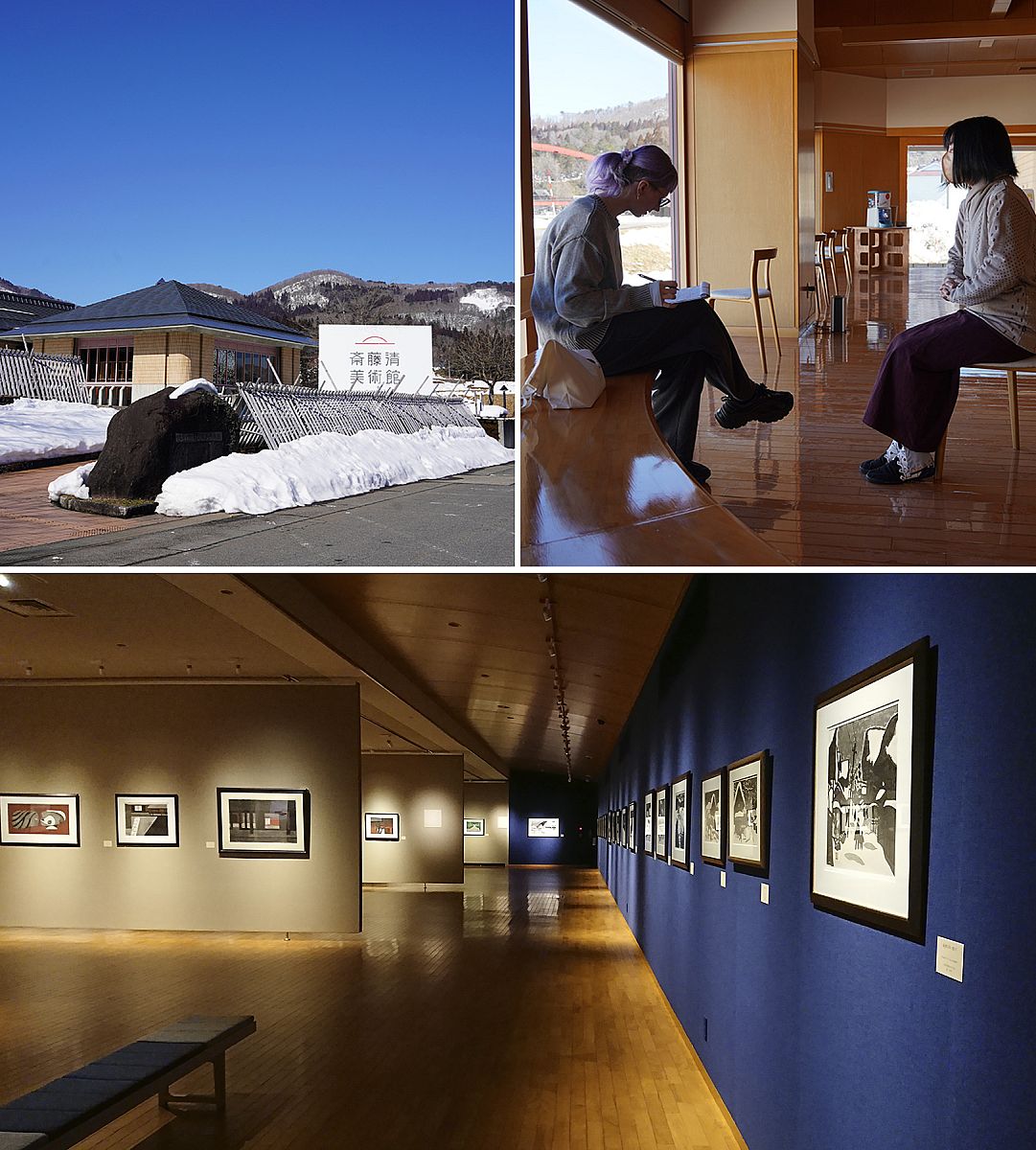
Right now, a winter special exhibition is being held at the Kiyoshi Saitō Museum of Art in Yanaizu Town. Taking this opportunity, I spoke with curator Ms. Itō about the artist’s life, the museum’s vision, and the ongoing exhibition.
なぜこれほど斎藤清の世界観と雰囲気に心を引かれるのか、考えたことが何度もあります。ヨーロッパではあまり見たことのない「黒」の丁寧ながらストレートな使い方や強いコントラスト、整いすぎていないのに不思議と調和した線、のどかな風景そのものなど、とにかくどのシリーズも好きです。
現在、やないづ町立斎藤清美術館で冬季企画展が開催されています。これを機に、美術館の学芸員伊藤たまきさんに、斎藤清の人生、美術館のあり方と企画展について伺いました。
Interview / インタビュー
— Was it a cold winter in Yanaizu this year?
We did have snow, and there were some very cold days. Still, it felt like last year brought more snowfall. This winter was cold in a typical way, but local residents just wave if off and say, “Oh, it was nothing much”.
― 今年、柳津の冬は寒かったですか?
雪が降り、厳しい寒さの日もありました。ただ、体感では昨年の方が雪は多かったと思います。今年も冬らしい寒さでしたが、地元の方は「大したことない」と話しています。
— Why do you think Saitō’s “Aizu no Fuyu” (Aizu Winter) series were so highly praised and became so popular?
I believe many people feel a sense of nostalgia and warmth in these works. Not only those from Aizu, but even people with no connection to the region. The Aizu landscapes he portrayed feel like “good old Japan” — almost like a shared original memory for many Japanese viewers. Kiyoshi Saitō was born in Aizubange Town, and later lived in different parts of Japan and even abroad. But from 1987 until his passing, he spent about ten years here in Yanaizu Town. Aizu was clearly his origin, and I think he felt a deep attachment to it. That said, I’ve heard he once stated he wasn’t painting out of nostalgia alone. When houses are covered in snow, only their outlines remain clear, and unnecessary details naturally disappear. He was strongly drawn to those simple forms. An Aizu winter is, in a way, nature’s own act of simplification — and I think that matched the kind of expression he was searching for.
― 斎藤清の「会津の冬」シリーズは高く評価され、人気を集めたのはどうしてだと思いますか?
多くの方がこれらの作品に「懐かしさ」と「あたたかさ」を感じているのだと思います。会津出身の方だけでなく、会津と縁のない方も同じように受け止めています。先生が描いた会津の景色は、日本人にとっての「古き良き日本」や原風景のような存在です。斎藤先生は会津坂下町に生まれましたが、その後各地で暮らし、海外にも行きました。1987年から亡くなるまでの約10年間は柳津町で過ごしました。やはり会津がルーツで、強い愛着を持っていたと思います。ただ、先生は「懐かしさだけで描いているのではない」と話していたそうです。雪に覆われた家々は輪郭だけがはっきりとし、余分なものが自然に消えていきます。先生は、そのような単純な形に強く惹かれていました。会津の冬は、自然が生み出す大きな単純化ですから、それが先生の求める表現と重なっていたと思います。
— Saitō is known for his simple style that combines realism and abstraction. Was this something seen in other artists of his time?
In the 1950s, abstraction was spreading worldwide, and his work was connected to that movement. He was very sensitive to changes in the art world. Woodblock printing itself has qualities that simplify form and color, moving them toward abstraction, and that may have been one reason he chose this technique. At the same time, realism was always the foundation of his work. He carefully observed the visible world and built his expression from that. Even while influenced by abstraction, he kept realism at the core. That balance is part of what makes him unique, and why he is called a “Modern Realist”.
It was the United States that first gave him strong recognition. In the 1960s, he encountered the technique of collagraph there and studied it directly. This experience had a major impact on his later woodblock prints. His collagraph works are not as widely known as his Aizu landscapes, but they are very important artistically. Personally, I feel these works show his true essence and strength, and I hope people will take a closer look at this side of his art as well.
― 斎藤清は写実と抽象を併せ持つ簡潔な表現で有名ですが、それは当時の他の画家にも見られましたか?
1950年代は世界的に抽象表現が広がった時代で、先生の活動もその流れと関係しています。先生は芸術の動きに敏感でした。木版画という技法にも、形や色を整理して抽象化する特徴があり、それも木版を選んだ理由の一つでしょう。一方、作品の土台にあるのは写実です。目に見える世界を丁寧に観察し、それをもとに表現していました。抽象の流れを受けながらも写実を中心にした点に先生の独自性がありますから、「モダン・リアリスト」とも呼ばれています。
最初に高く評価したのはアメリカです。先生は1960年代にアメリカで「コラグラフ(collagraph)」という技術に出会い、直接学びました。この経験は、その後の木版画にも大きな影響を与えました。「コラグラフ」は、会津の風景作品ほど広くは知られていませんが、芸術的にとても重要なシリーズです。私自身、この作品群には先生の本質と力がよく表れていると感じていますので、この面にもぜひ注目していただきたいです。
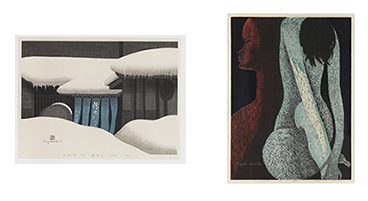
Image: Collection of Kiyoshi Saitō Museum of Art in Yanaizu Town
(Left) Winter in Aizu (75) Kitakata, 1988, woodblock print on paper
(Right) Nude (G), 1966, woodblock print on paper
【画像】やないづ町立斎藤清美術館蔵
(左)会津の冬(75)喜多方 1988年 紙・木版
(右)ヌード(G)1966年 紙・木版
— Kiyoshi Saitō is said to have been influenced by Munch and Picasso. Did he influence other artists as well?
His work definitely inspired artists overseas and encouraged foreign painters to take an interest in Japanese printmaking. In Japan, he did not formally take on apprentices, but there were artists who deeply admired him and followed his path. Some of them are from Aizu, and it’s likely that artists across the whole country were influenced by him as well.
Both he and his works had a significant impact on Yanaizu. People have been visiting the town hoping to see the winter scenery of Aizu that he portrayed even before moving there, so he had already left a mark on the area. After relocating in 1987, although he was a well-known artist, he remained close to the local community. He would join gatherings, share drinks, and build warm relationships with residents. He is remembered as someone quiet and modest, with a deep care for children.
― 斎藤清はムンクやピカソの影響を受けたといわれていますが、逆に斎藤清が影響を与えた人はいますか?
先生の活動は海外の画家にも刺激を与え、日本の版画に関心を持つ外国人作家が現れるきっかけになりました。日本では弟子は取りませんでしたが、先生を私淑した画家はおり、会津にもそのような方がいます。全国にも影響を受けた作家がいると考えられます。
また、柳津町への影響も大きいです。昔から「会津の冬景色を見たい」と町を訪れる人がおり、先生は移住前から地域に影響を与えていました。1987年に移住してからは、有名な画家でありながらも町民と親しく交流し、酒席をともにすることもあり、地域とのつながりが深かったそうです。子どもを大切にし、物静かで控えめな人柄だったといわれています。
— Many people say they want to see the Aizu landscapes Saitō saw with their own eyes. Could you share a representative work and its location?
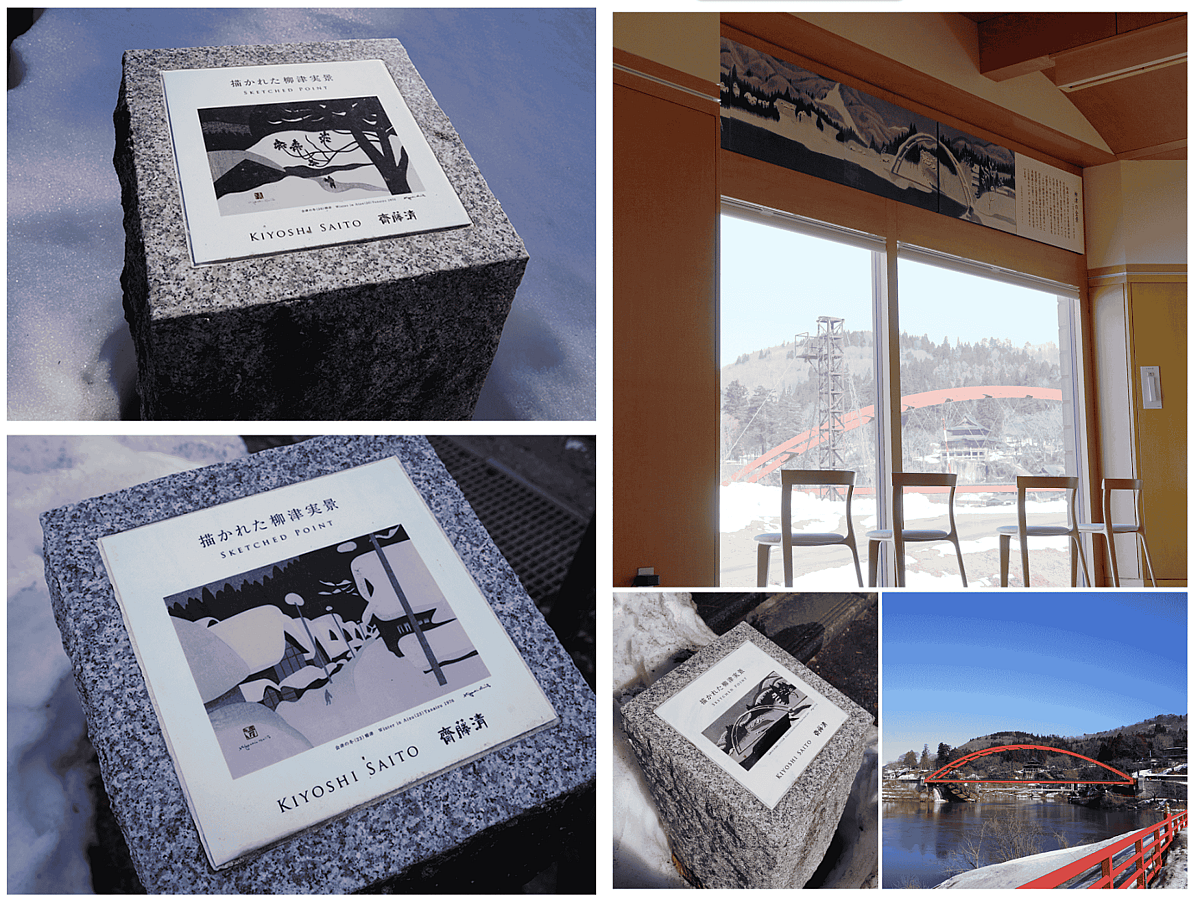
One symbolic view is the red bridge and Enzōji Temple, which you can see from the museum window. Above that window, a replica of the ink painting depicting the same scene is displayed. Outside, there is also a stone marker displaying a woodblock print of the same scene. There are several sketch points like this around Yanaizu, where you can trace the real landscapes he portrayed. If you’d like to see Yanaizu Town through Kiyosi Saitō’s eyes, I recommend picking up a sketch point brochure and walking through the town.
― 斎藤清が見た会津の景色を自分の目で見たいという方は多いですが、代表的な作品と場所を教えてください。
象徴的な風景の一つは、美術館の窓から見える赤い橋と圓藏寺です。この窓の上には、その景色を描いた墨画のレプリカが飾られています。外には同じ風景を木版画で描いた作品を示す石柱もあります。柳津町内にはこのようなスケッチポイントがいくつもあり、先生が描いた実際の風景をたどることができます。先生の目に映った柳津の景色を見たい方は、スケッチポイントのパンフレットを手に町を巡ってみてください。
➡️ 2016 brochure, map on the 2nd page / 2016年のパンフレット、地図は2ページ目に掲載
➡️ https://www.town.yanaizu.fukushima.jp/bijutsu/wp-content/uploads/2016/09/stamp.pdf
— Could you tell us about the history and activities of the museum?
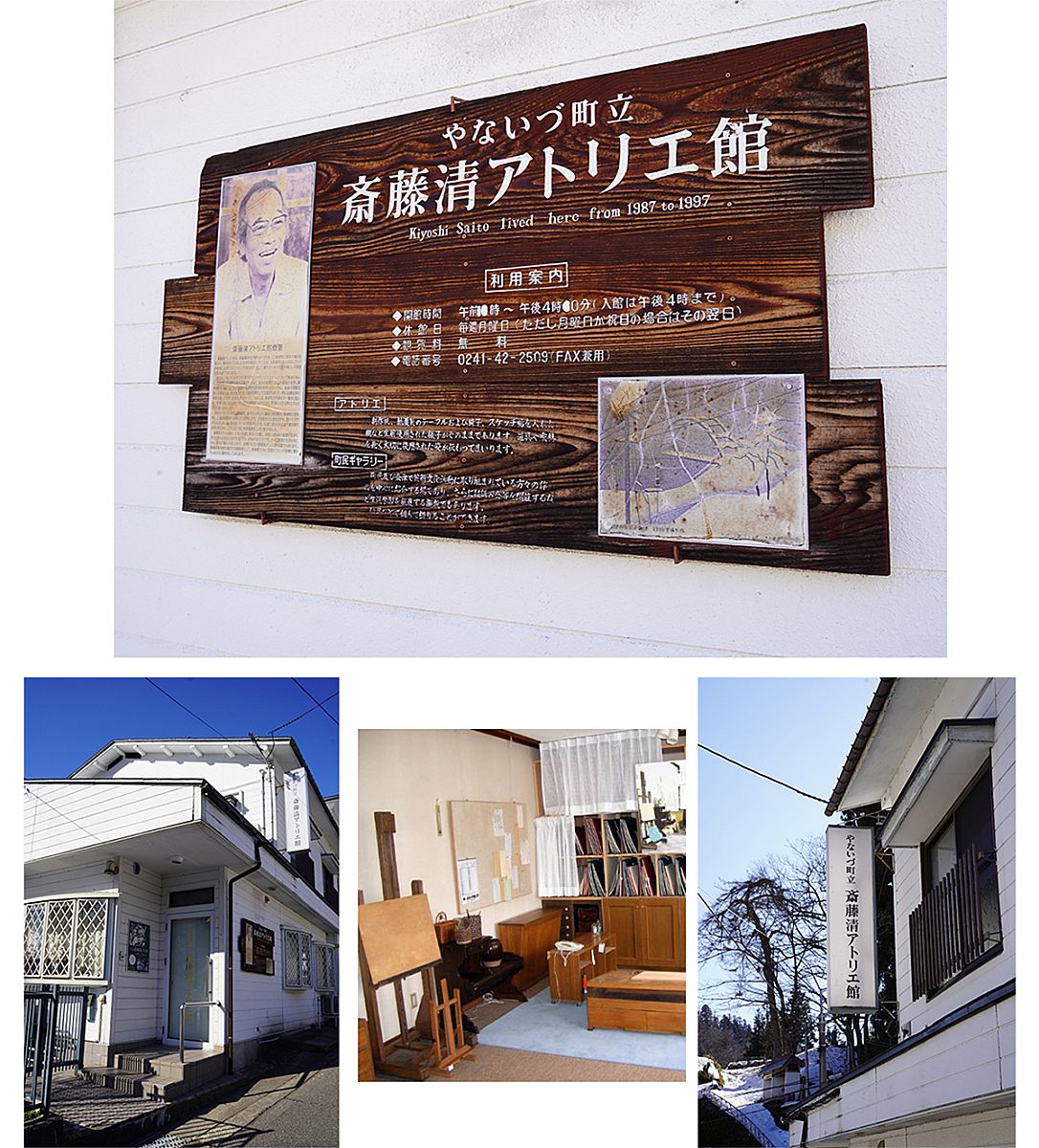
The Kiyoshi Saitō Museum of Art was established in 1997. It is managed by the town of Yanaizu and serves as one of its key cultural and tourism centers. Saitō’s years living in Yanaizu Town deepened his connection with the local community, which eventually led to the museum’s founding. I think this location was also chosen because the surrounding Tadami River landscape appears in many of his works. Today, the museum is not only a tourist destination but also a place for local residents to gather and connect. We work closely with community members, regional revitalization cooperation workers, and universities such as the University of Tsukuba, Musashino Art University and the Junior College of Aizu. Together, we organize workshops, collaborative projects, promotions of local specialties, and various events. Both local residents and people who have moved to Yanaizu Town work at the museum. By bringing in outside perspectives, we revalue the town’s charm while also collecting the memories and stories of local people. We also maintain the atelier where Kiyoshi Saitō once lived and worked, and visitors can see the actual tools he used in his creative process.
― 美術館の歴史と活動について教えてください。
斎藤清美術館は1997年に設立され、柳津町が管理し、町の大切な観光拠点の一つです。先生が柳津町に住んだことで町民との交流が深まり、設立につながりました。また、只見川周辺の風景が多くの作品に描かれていることから、この場所が建設地に選ばれたと思います。現在は観光拠点だけでなく、地域住民のよりどころや交流の場としての役割も大切にしています。地元の方や地域おこし協力隊、筑波大学や武蔵野美術大学、会津大学短期大学部と協力し、ワークショップや連携事業、名産品のPR、イベントなどを行っています。美術館では地元の人と移住者がともに働き、外からの視点で地域の魅力を見直しながら、町民の記憶や語りも集めています。先生が住んでいたアトリエも管理しており、当時使用していた制作道具が見られます。
— What made you want to work here?
I previously worked as a curator in Aizuwakamatsu City. I already knew about Saitō’s life and work, but when I visited Yanaizu Town and compared his prints with the actual landscapes, I was deeply moved. The scenes in the works overlapped with the view right in front of me; the compositions are simple, yet they carry a strong sense of reality. I was drawn to that expression, and that was the reason why I decided to work at this museum.
― 伊藤さんは、どうしてここで働きたいと思いましたか?
以前は会津若松市で学芸員として働いていました。斎藤先生の人物や作品については知っていましたが、柳津町を訪れ、実際の風景を作品と見比べたときに強い感動を覚えました。構図はシンプルですが、描かれた景色と目の前の風景が重なり、強い現実感がありました。その表現に惹かれ、現在は斎藤清美術館で勤務しております。
— Why did you decide to hold the exhibition “Saitō Kiyoshi and Photography” this winter?
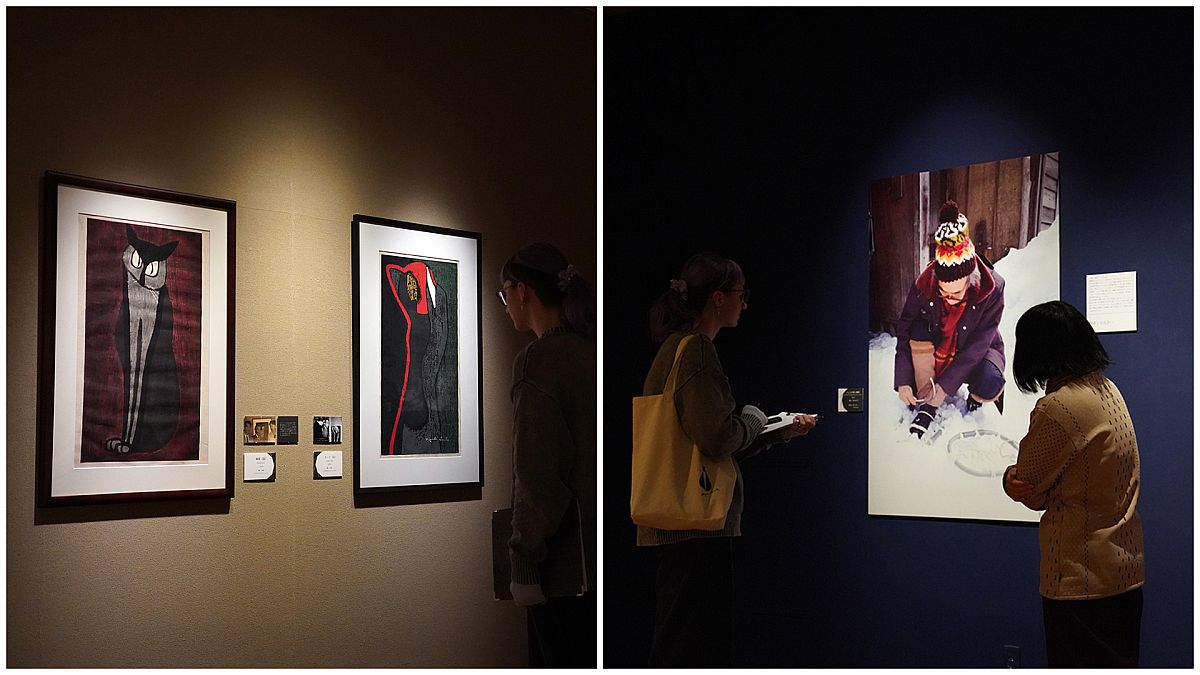
We organize four to five special exhibitions a year, each built around a seasonal theme. In spring and autumn, which are peak tourist seasons, we focus on his major works and present them together with related pieces. The museum holds around 1,100 works, but only about 70 to 80 can be shown at one time. So, we carefully consider how to set each theme and select the works. In winter, rather than showing only well-known pieces like “Aizu no Fuyu”, we often highlight important works that are less familiar and try more experimental approaches.
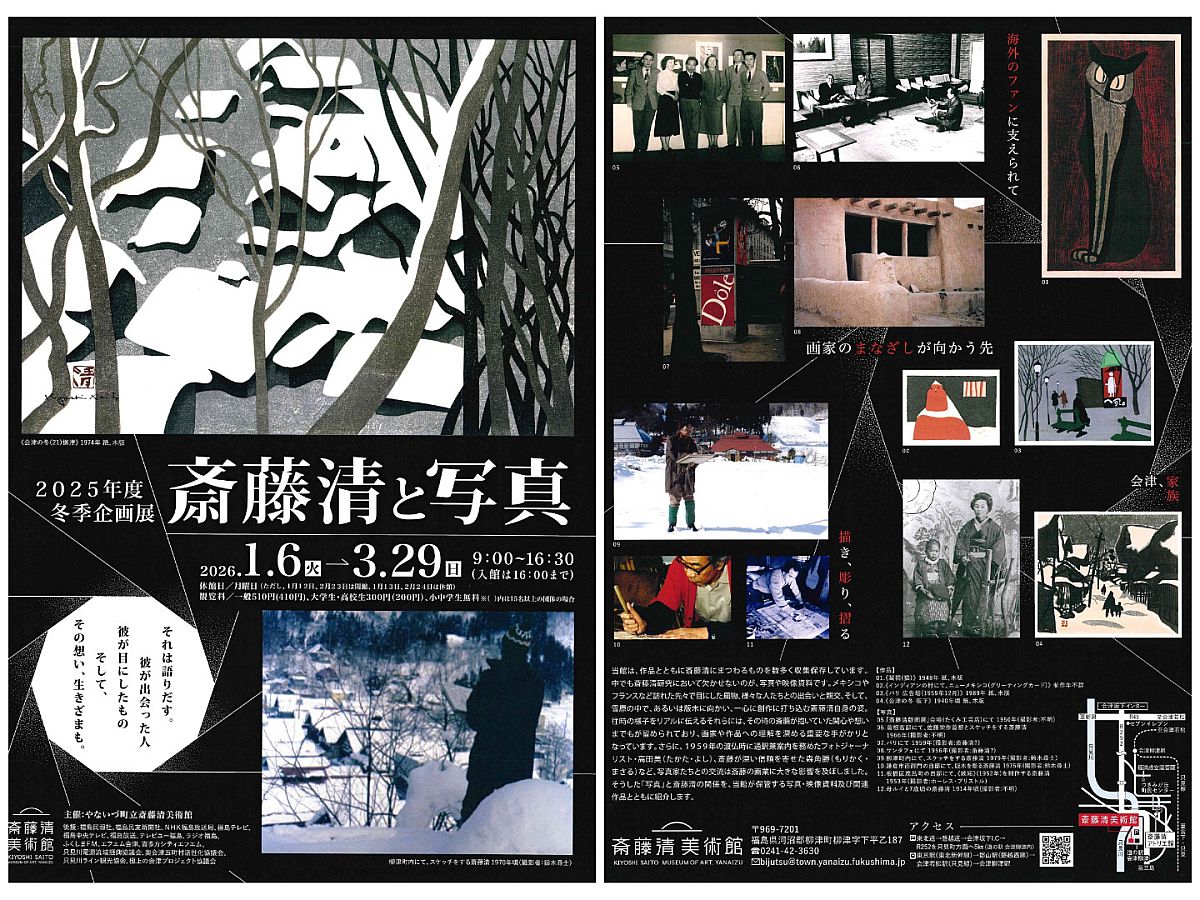
The current exhibition, “Kiyoshi Saitō and Photography”, centers on the photographic materials he possessed. Some photos were gathered from local residents. They include images of Saitō himself, as well as photographs believed to have been taken by him. These photographs serve as reference materials for his art, and they are also valuable records of his activities and ideas. By comparing the prints with the photos, you can notice shared compositions and motifs, which offer clues about his creative process. Looking at photographs from that time — along with his tools or clothing — helps present a more concrete and human portrait of Kiyoshi Saitō.
― この冬に「斎藤清と写真」を開催した理由を教えてください。
企画展は年4〜5回、季節ごとにテーマを決めて開催しています。春と秋は観光のトップシーズンのため、代表作を中心に関連作品を組み合わせて展示します。所蔵作品は約1,100点ありますが、一度に展示できるのは70〜80点ほどです。そのため、テーマの決め方や作品の選び方を工夫しています。冬は「会津の冬」などの有名作だけでなく、あまり知られていなくても重要な作品を取り上げ、やや実験的な展示を行うことが多いです。
現在の企画展「斎藤清と写真」では、先生が持っていた写真資料を中心に紹介しています。地域の方から集まった写真もあり、先生本人が写っているものや、先生が撮影したと考えられる写真もあります。写真は制作資料であると同時に、活動や考えを伝える大切な資料でもあります。作品と写真を比べると、構図やモチーフの共通点が分かり、制作の流れを知る手がかりになります。当時の写真、または先生の道具や衣服を通して、斎藤清という人物をより具体的に伝えるのが大切だと思います。
— Finally, how have the numbers of international visitors been in recent years?
I feel that over the past few years the number of international visitors has been increasing. We’re welcoming people from many different countries and regions, which is very encouraging. We hope that even more people will come to visit Yanaizu Town and the Kiyoshi Saitō Museum of Art in the years ahead.
― 最後に、近年の外国人来場者数はいかがでしょうか?
ここ数年、外国人来場者は増えています。さまざまな国や地域から来ていただいており、心強く思っています。今後も多くの方に柳津町と斎藤清美術館を訪れていただきたいです。
冬季企画展の開催情報
【Exhibition period / 開催期間】
06.01.2026–29.03.2026 / 2026年1月6日(火)~ 3月29日(日)
【Opening hours / 開館時間】
9:00–16:30
【Closed days / 休館日】
Mondays (or the following day if Monday is a public holiday) / 月曜日 (祝日の場合はその翌日)
【Place / 場所】
Kiyoshi Saito Museum of Art, Yanaizu / やないづ町立斎藤清美術館
187 Shitadairaotsu, Yanaizu, Yanaizu Town / 柳津町大字柳津字下平乙187
【Atelier / アトリエ館】
10:00–16:00
December – March: open weekends only; April – November: follows the museum’s regular schedule
12月〜3月:土日のみ開館・4月〜11月:美術館の営業時間と同じ
137-1 Jūnishootsu, Yanaizu, Yanaizu Town / 柳津町柳津字十二所乙137-1
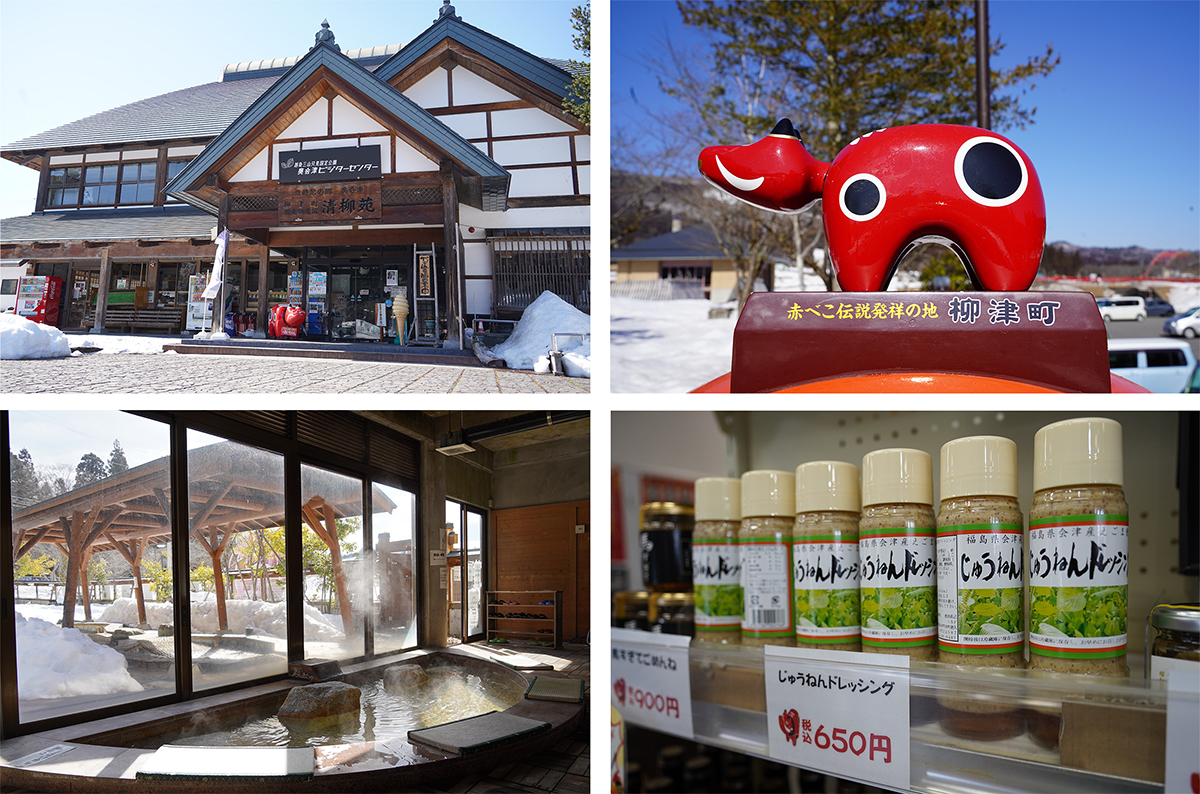
If you haven’t visited Yanaizu yet, this is a wonderful opportunity to do so. Near the museum, I recommend stopping by the “Oku-Aizu Visitor Center” and the rest house “Hotto in Yanaizu”. You can relax in a free “ashi-yu” (onsen style foot bath) and pick up Yanaizu’s local specialties such as egoma (perilla) dressing and awamanjū (millet manjū).
柳津町にまだ行ったことがない方は、この素敵な機会にぜひ訪れてみてください。美術館の近くにある「奥会津ビジターセンター」と「憩の館ほっとinやないづ」もおすすめで、足湯が楽しめ、名物のじゅうねんドレッシングとあわまんじゅうも買えます。

お問い合わせは日進堂グループ各社まで
株式会社 日進堂印刷所 電話 024-594-2211(代)
トキワ印刷 株式会社 電話 0248-75-2145
株式会社 進和クリエイティブセンター 電話 024-594-2145
株式会社 エス・シー・シー 電話 024-593-0500
株式会社 Like-s 電話 024-573-8063
For inquiries in English, please contact the following email address: info@nisshindo.co.jp
※Please contact a sales representative for the estimate about translation.
※翻訳などに関してのお見積りは担当営業までお問い合わせください。
企業情報 企業情報
日進堂印刷所(印刷業)
〒 9602194 福島県福島市庄野字柿場1-1
TEL : 024-594-2211
ホームページ : https://www.nisshindo.jp/
ピックアップ記事(日進堂印刷所)
ピックアップ記事(新着)
【11/8開催】本との出会いを楽しもう「本博2026」 福島市曽根田駅が “本の世界” に
Postbox-newsR Provided by Like-s
2026.10.17(土) 12:00
幻想的なイチョウの大木!喜多方市の神社で今だけの秋の景色を見てみよう
エス・シー・シー
2026.10.17(土) 12:00
音楽・アート・マルシェが福島駅前に集結!
エス・シー・シー
2026.10.17(土) 09:00
17日の福島県は、高気圧に覆われるため、晴れるでしょう。
株式会社 ラジオ福島
2026.10.17(土) 07:23
キバラルリクビボソハムシ [ 自然さんぽ Take a walk in nature N0.
株式会社ココラム
2026.10.17(土) 07:00



![ふくしまの気になる情報を発信 newsR.jp[ニュースアール]](/img/foot_logo.svg)
© newsR.jp.