
![newsR.jp[ニュースアール]](/img/logo_kana.svg)
![newsR.jp[ニュースアール]](/img/head_logo.svg "newsR.jp[ニュースアール]")
- ニュース一覧
- Salt, Kōji, and the Turn of Seasons / 漬物語(日進堂印刷所)- 2026.06.01(月) 09:00
Salt, Kōji, and the Turn of Seasons / 漬物語
日進堂印刷所
2026.06.01(月) 09:00
Preserving food has been an essential tool for households in many countries and cultures for centuries. Although fruits and vegetables are now available year-round at the supermarket, the culture of food preservation lives on. It tells us a lot about a region’s history, traditions, economics, and lifestyle.
食材を長持ちさせる工夫は、古くから世界中で大切にされてきました。今では一年中スーパーで新鮮な食材が手に入りますが、それでも保存食の文化は今なお受け継がれています。保存食を知ることは、その土地の歴史や習慣、さらに人々の暮らしを理解する鍵の一つとなるでしょう。
Many “sansai” — the wild mountain vegetables I discussed last month — are currently ending their peak harvesting season, while local garden vegetables and fruits still need a couple more months to grow. This is one of the reasons why pickled and fermented foods have been vital not only during harsh northern Japanese winters but also during the “gap” seasons between harvests. Today, I would like to introduce some interesting foods from the three regions of Fukushima Prefecture. We will explore how geographical and cultural differences shaped the diets of ordinary people before supermarkets existed, and why these items are still considered staple side dishes across the prefecture today.
ちょうどいま時期、多くの山菜が旬を超える一方、夏野菜や果物の収穫にはまだ少し時間がかかります。このような端境期を支えてきたのが漬物や発酵食品です。厳しい冬だけでなく、次の収穫を待つ時期にも欠かせない存在でした。地形や暮らしの違いが人々の食卓をどのよう彩ってきたのか、今回は日常の一品として親しまれている福島県の各地方に伝わる漬物や発酵食品をご紹介します。
■ About “sansai” / 山菜の記事: https://newsr.jp/news/disp.html?id=9208
■ About Fukushima’s preserved foods / 福島の保存食の記事: https://newsr.jp/news/disp.html?id=4817
Aizu region / 会津
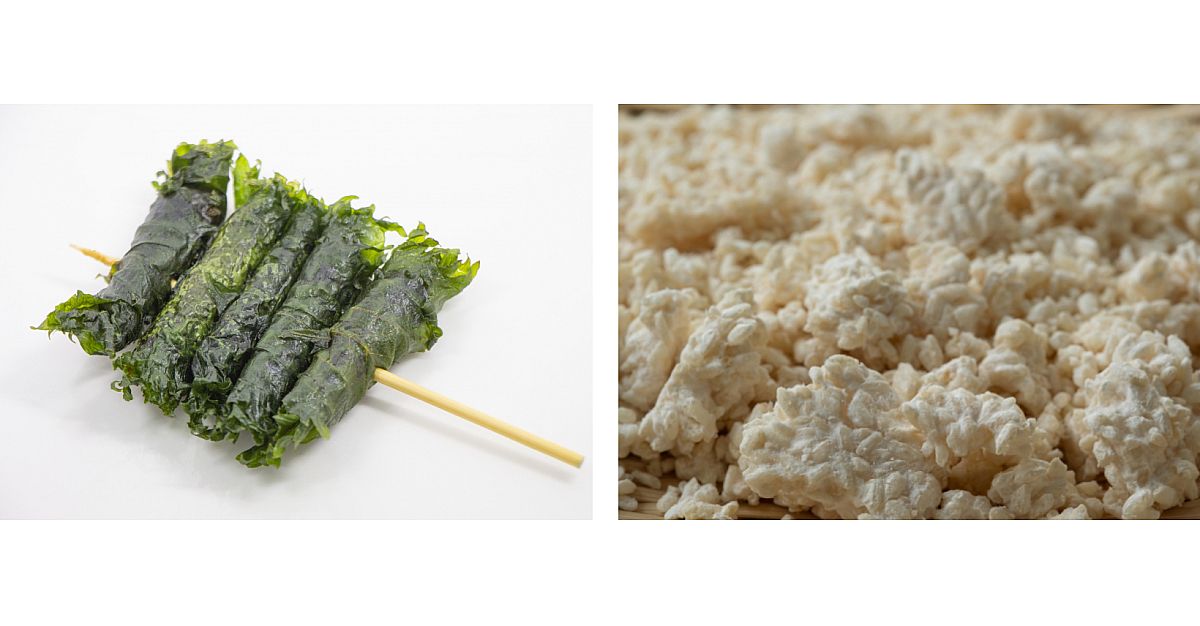
Aizu’s fermentation culture developed in a mountainous basin with hot summers and long snowy winters. The temperature change and cold winter climate supported long-term storage. To secure food supplies, households relied on “kōji”-based preservation using local rice and clean water (“kōji” is mold-cultured grain, usually rice). Fermentation was not an occasional task but part of everyday life, with many families regularly preparing and maintaining their own miso, pickles, and other fermented foods. Aizu miso, made with a relatively high proportion of rice “kōji”, is a key example, known for its depth of flavor. Alongside miso, sake, amazake, and pickles form the foundation of this food culture. In warmer months, these foods are often consumed in lighter forms, such as chilled dishes and refreshing pickles, providing both nutrition and a cooling effect.
会津の発酵文化は、夏は暑く、冬は寒くて雪深い盆地特有の気候の中で育まれてきました。厳しい寒暖差や積雪という風土が、食材を長期保存するための知恵を育んできたのです。かつて各家庭では、地元の米や清らかな水、そして麹を使った保存食づくりが日常的に行われていました。発酵は決して特別なことではなく、暮らしの一部であり、多くの人が味噌や漬物を仕込んでいました。中でも、米麹を高い割合で使う会津味噌は、深いコクを持つ味わいで知られています。日本酒や甘酒、多様な漬物は地域の食文化を支える基盤でした。このような発酵食品は、夏になると冷たい料理やさっぱりとした漬物として食卓に並び、栄養補給はもちろん、身体を優しく冷やす効果もあります。
Spring “sansai” were traditionally preserved with salt, and more recently also with soy sauce. “Shiso-maki”, also popular in other regions, are a mixture of miso, sugar, and walnuts wrapped in shiso leaves and then fried. It is a preserved food, usually eaten as a side dish to go with rice or as a snack — and I find it hard to only have a couple of them at a time, so highly recommend trying them. Aizu is also home to “sagohachi-zuke”, which is currently more popular in Nakadōri. As summer approaches, people continue to rely on matured fermented foods to bridge the period before fresh seasonal ingredients become fully available.
春の山菜は古くから塩漬けにして保存されており、最近では醤油漬けにすることも増えています。また、会津の保存食の一つにしそ巻きがあります。この地方のしそ巻きは、味噌、砂糖とくるみを混ぜたものを紫蘇の葉で包んで揚げた香ばしい料理です。ご飯のおかずとしてはもちろん、おやつとしても味わえ、つい手が伸びてしまう後引くおいしさです。他に、会津発祥の「三五八漬け」は県内外でも知られており、現在では中通りを中心に親しまれています。真夏が近づくこの時期、新鮮な食材が出そろうまでの間、発酵食品や保存食品が食卓を支えています。
Nakadōri region / 中通り
In Nakadōri, a central basin region with intensive agriculture, access to fresh produce is easier than in the isolated mountains of Aizu, so the fermentation style here tends to be lighter. The early summer “gap period” is more of a smooth transition from preserved “sansai” and winter pickles to light, refreshing pickles made from the season's first vegetables. Short-term, low-salt pickling has been particularly common here.
中通りは盆地に広がる豊かな農業地帯であり、会津の山あいに比べて新鮮な野菜が手に入りやすい地域です。この背景から、中通りの発酵や漬物のスタイルも比較的シンプルです。初夏の端境期に、食卓は山菜や冬の保存食から新しく採れた野菜を使ったさっぱりした漬物へと移り変わっていきます。中でも、短時間で仕上げる塩分控えめの漬物が日々の暮らしに深く根付いています。
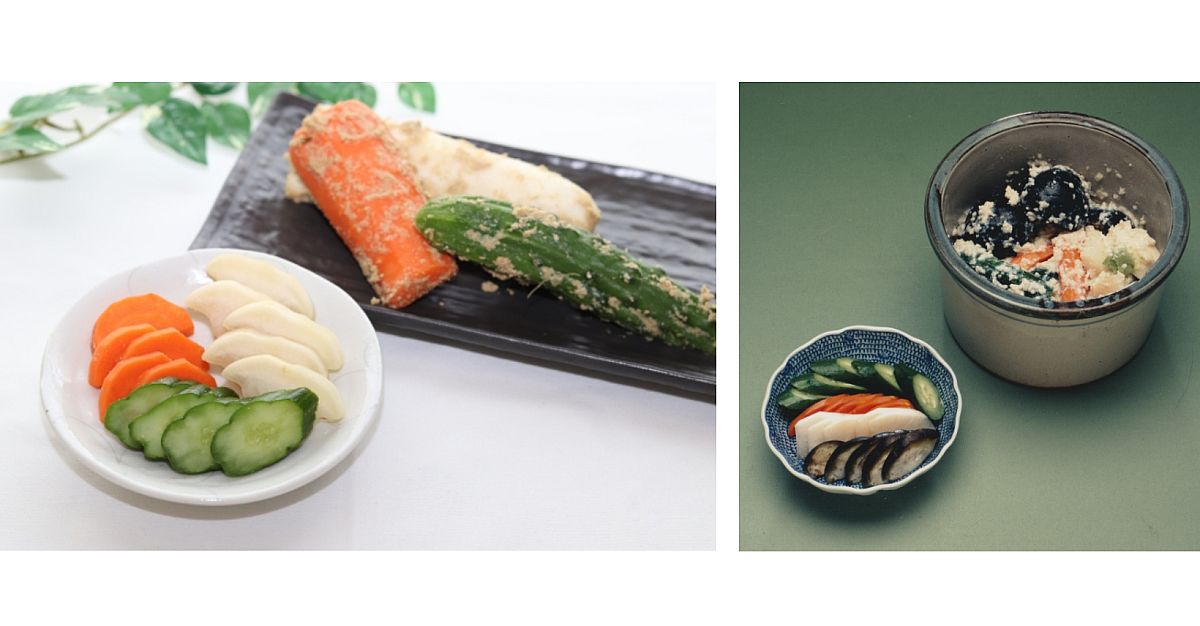
A key tradition is “asazuke” (lightly pickled vegetables), typically made with cucumbers and, later in the season, tender young eggplants or cabbage. Since summers in Nakadōri are quite hot, these quick pickles provide a cooling side dish without the need for the heavy salt used in long-term fermentation. However, another staple is “nukazuke” — continuously fermenting cucumbers, daikon, eggplants, and other vegetables with rice bran. People maintain these rice bran beds daily, which allows for the continuous pickling of whatever is currently in season. This is by far my favorite variety of preserved vegetables.
代表的なスタイルは浅漬けです。きゅうりを中心に、季節が進むとなすやキャベツなども使います。夏の暑さの中でも、軽い味わいで手軽に作れるのが特徴です。一方で、ぬか漬けも欠かせません。きゅうりや大根、なすなどをぬか床でじっくり発酵させ、毎日手入れをしながらその時期の野菜を漬けていきます。季節の移ろいを肌で感じられる魅力があり、個人的にも特に愛着を感じる漬物の種類です。
A standout example of the local food culture is “sagohachi-zuke” (“three-five-eight pickling”), a tradition strongly preserved in areas like Nihonmatsu City, although it originated in Aizu and is still used there. Vegetables are cured in a mixture of salt, rice “kōji”, and rice in a 3:5:8 ratio. Commonly used for cucumbers, carrots, and turnips, this Edo-period method is highly efficient; it produces a mildly sweet, fermented pickle perfectly suited to the early summer heat.
また、「三五八漬け」はこの地域の食文化を代表する漬物の一つです。会津にルーツをもちながら、現在は中通り各地で大切に受け継がれています。塩、米麹、米を3:5:8の割合で混ぜ合わせた床に、きゅうりや人参、かぶなどを漬け込むこの方法は、江戸時代から続く先人の知恵です。ほんのり甘みのある発酵の味わいが初夏の食卓によく合います。
Hamadōri region / 浜通り
While the inland basins of Aizu and Nakadōri rely on the deep fermentation of mountain and field crops, the landscape changes as one moves toward the Pacific coast of Hamadōri. Here, the milder, less snowy climate creates a more gradual transition into summer, shifting the focus from surviving the mountain “gap” to utilizing the abundance of the sea. This environment also shapes preservation methods: compared to Aizu, fermentation relies more on salt and “su-zuke” (vinegar pickling) than on “kōji”, which is influenced by humidity and access to marine products.
会津や中通りは山や畑の恵みをじっくり発酵させますが、太平洋に面した浜通りに近づくと、風景も食文化も徐々に変わります。雪が少なく、気候も穏やかなので、春から夏へゆるやかに移り変わります。端境期の食べ物より、海の恵みをどう活かすかに重きが置かれてきました。この環境は食材の保存方法にも影響します。麹を多用する内陸部に比べると、麹よりも塩や酢を使うことが多く、これは湿度や海産物の豊富さにも関係します。
This can be seen clearly in local foods. Coastal cuisine includes salted and fermented seafood such as “shiokara” (small pieces of fish or squid mixed with heavily salted and fermented viscera), reflecting long-standing salt-based preservation. Small fish like sand lance or saury were often preserved using salt and “rice-kōji” mixtures unique to the coastal towns.
例えば、地域の食卓には塩辛のような、魚介を塩で発酵させた保存食があり、塩漬けの文化が根づいていることが伝わります。小魚やサンマなども、塩や米麹を使って保存され、沿岸ならではの工夫が息づいています。
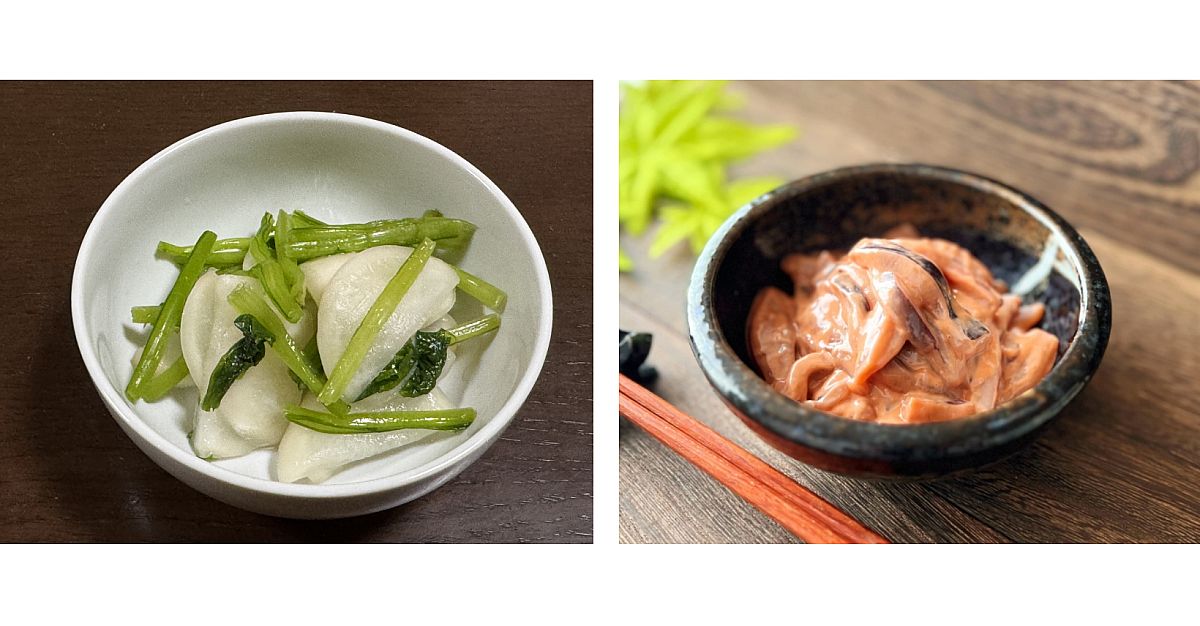
At the same time, vegetable pickles are also important. In the Sōma and Minamisōma areas, “Sōma kyūri-zuke” (cucumber pickles) are made using lactic fermentation, which reduces the raw “green” aroma of cucumbers and brings out mild umami. These are often finished as soy sauce pickles with kelp, and sometimes prepared in bite-sized pieces with a light chili flavor. Unlike the fried “shiso-maki” found in Aizu, the Hamadōri version usually involves pickled vegetables wrapped in shiso leaves.
一方、野菜の漬物も欠かせません。相馬市や南相馬市では「相馬きゅうり漬け」が知られており、乳酸発酵によって青臭さがやわらぎ、まろやかなうま味が引き出されます。仕上げに昆布と醤油で味を整えたり、一口大にして軽く唐辛子を効かせたりすることもあります。また、浜通りのしそ巻きは会津と異なり、漬物をしその葉で包むスタイルが一般的であることにも、地域ごとの個性が光ります。
Today, the preserving and fermenting traditions continue to evolve. For example, in Minamisōma City, new products such as cream cheese marinated in miso have appeared, applying established fermentation techniques to different ingredients while maintaining a connection to local food culture.
現在も、保存食や発酵の文化は少しずつ形を変えながら受け継がれています。例えば、南相馬市では、味噌に漬けたクリームチーズなどの新しい商品も登場し、昔ながらの知恵を活かしつつ新しい食材との組み合わせが生まれています。このような取り組みの中にも、地域の食文化が感じられます。
I highly recommend trying fermented and pickled foods when traveling around Fukushima, so that your impression of the local cuisine is more authentic and well-rounded.
福島を旅する際には、発酵食品や漬物をぜひ味わってみてください。その土地ならではの、ありのままの食文化をより深く体感できるでしょう。

お問い合わせは日進堂グループ各社まで
お問い合わせは日進堂グループ各社まで
株式会社 日進堂印刷所 電話 024-594-2211(代)
トキワ印刷 株式会社 電話 0248-75-2145
株式会社 進和クリエイティブセンター 電話 024-594-2145
株式会社 エス・シー・シー 電話 024-593-0500
株式会社 Like-s 電話 024-573-8063
For inquiries in English, please contact the following email address: info@nisshindo.co.jp
*Please contact a sales representative for the estimate about translation.
※翻訳などに関してのお見積りは担当営業までお問い合わせください。
企業情報 企業情報
日進堂印刷所(印刷業)
〒 9602194 福島県福島市庄野字柿場1-1
TEL : 024-594-2211
ホームページ : https://www.nisshindo.jp/
ピックアップ記事(日進堂印刷所)



![ふくしまの気になる情報を発信 newsR.jp[ニュースアール]](/img/foot_logo.svg)
© newsR.jp.